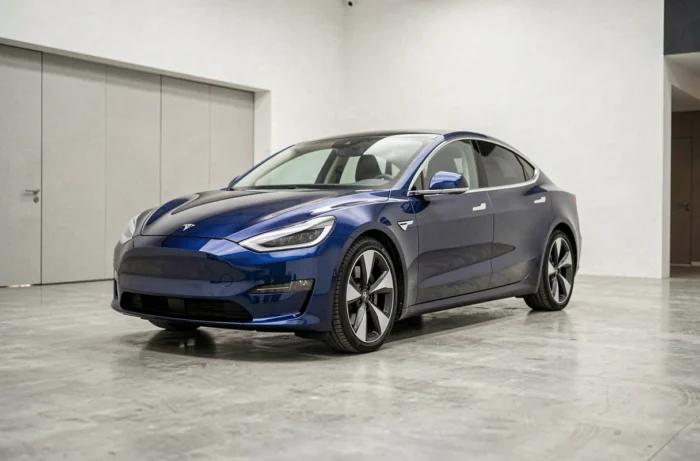
In France, the automotive market is undergoing a rapid transformation. The registration figures for summer 2026 confirm a significant trend: electric vehicles are no longer just a supporting role; they are leading new car sales. This shift is changing buyers’ choices, the structure of the used car market, and even the taxation applied to motorists.
Automotive Taxation and CAFE Standards: What Drives the Market to Change
Have you noticed that the list prices of new internal combustion cars have been rising for several months? This is not solely due to inflation. The tightening of the ecological penalty and European emission reduction targets (CAFE standards) are making gasoline and diesel models more expensive to produce and sell.
Specifically, a manufacturer that exceeds the average emissions thresholds for its range pays heavy penalties. To compensate, it passes this extra cost onto the price of thermal models or reduces their production. The result: new thermal vehicles are becoming a minority in market share, with a particularly marked decline in diesel.
This fiscal mechanism explains why many households are postponing their purchase towards electric vehicles, not out of ecological conviction, but for economic reasons. The purchase bonus for an electric vehicle, combined with the increasing penalty on thermal vehicles, is gradually reversing the financial equation. To discover cars on MTM France, whether electric or thermal, this transition period offers a particularly wide range of choices.
Electric Registrations in France: The Figures for Summer 2026
Recent data confirms that electric cars now represent about one third of new registrations over several consecutive months. In July 2026, the market share exceeded 35%, then nearly reached 38% in August according to the barometers from Avere-France and the MAP Observatory.
This is no longer a seasonal peak. The growth has reached about 70% since the beginning of the year compared to the same period of the previous fiscal year. Meanwhile, combined gasoline and diesel sales have fallen to between 13 and 17% of new sales.
Why such acceleration? Three factors are at play:
- The supply has expanded: from city cars to family SUVs, each segment now offers several electric models at decreasing prices, such as the Mazda CX-6e launched at 46,800 euros or the new references from Hyundai and Peugeot.
- Charging networks are becoming denser, which reduces the range anxiety that held back buyers just two years ago.
- The thermal penalty and CAFE standards make the electric alternative more competitive in use, even for modest budgets (Dacia, for example, has eliminated its small entry-level gasoline engine on the Sandero).
Used Car Market: A Restructuring in Progress
The shift towards electric in new cars is causing a domino effect in the used car market. Recent thermal vehicles are flooding the secondary market, which mechanically lowers their resale value.
For a buyer, this is an opportunity: gasoline or diesel models two to three years old are being negotiated at lower prices than before. On the other hand, the rapid depreciation of used thermal vehicles penalizes sellers who purchased them new not long ago.
On the used electric side, the market is still young. The first high-range electric vehicles are just beginning to appear on the second-hand market. Their resale price heavily depends on the condition of the battery, a criterion that buyers are gradually learning to evaluate. This is a technical point not to be overlooked: checking the battery health certificate before purchase is becoming as common as looking at the mileage.
Low Emission Zones and Urban Constraints for Motorists
The other trend reshaping the French automotive landscape concerns low emission zones (LEZ). Several major urban areas are now restricting access to the most polluting vehicles based on their Crit’Air sticker.
For a motorist driving an older diesel, this concretely means the inability to circulate in city centers in an increasing number of metropolitan areas. This gradual exclusion timetable is pushing urban households to anticipate the replacement of their vehicle, sometimes before the natural end of the engine’s life.
The practical consequences are multiple:
- A Crit’Air 4 or 5 vehicle loses value more quickly, as its usage perimeter shrinks each year.
- Professional fleets are accelerating their conversion to electric to maintain access to city centers where their clients are located.
- Suburban motorists, less affected by LEZ, are keeping their thermal vehicles longer, creating a two-speed automotive market between city and countryside.
This geographical divide is a rarely addressed angle. Yet it explains why national statistics mask very different realities depending on the place of residence.
An Often Underestimated Factor: The Cost of Insurance
The shift to electric also changes the insurance bill. Electric vehicles generally cost more to repair in the event of a claim, particularly due to the price of batteries. Some insurers adjust their rates accordingly, while others offer discounts to encourage the transition.
The French automotive market of 2026 is not just a list of new models. It is a changing ecosystem where taxation, urban regulation, and the used economy interact. The choice of a vehicle now depends as much on its place of use as on its purchase price. The coming months, with the anticipated tightening of the penalty and the expansion of LEZ, should amplify these already well-established dynamics.